
In global marine logistics and port operations, grabs are indispensable tools that ensure seamless and efficient bulk material handling. These heavy-duty attachments handle everything from coal, ores, limestone, fertilizers, grains, sand, aggregates, and biomass to scrap metal. As essential bulk cargo handling equipment, grabs work relentlessly under extreme conditions—saltwater exposure, abrasive materials, mechanical stress, high operating temperatures, and continuous duty cycles.
Because of this, grab repairs and grab maintenance are vital for performance, safety, cost optimization, and long-term operational reliability. A neglected grab can bring an entire cargo operation to a halt. A well-maintained grab, however, improves turnaround time, enhances safety, and extends equipment life dramatically.
In this comprehensive guide, we explore the world of marine grab repair services, common issues in hydraulic and electro-hydraulic grabs, preventive maintenance strategies, load testing, structural repairs, and why choosing experienced professionals can transform your port performance. This blog is enriched with SEO keywords to support search visibility while maintaining natural readability.
Understanding Marine and Port Grabs
Grabs are specialized crane attachments used in ports and onboard vessels for handling loose bulk cargo. They can be hydraulic, electro-hydraulic, mechanical, or motor-driven. Each type has unique engineering design, functionality, and maintenance needs.
Types of Grabs Used in Bulk Operations
1. Hydraulic Grabs (Single or Double Rope)
Hydraulic grabs rely on powerful cylinders and hydraulic pumps to generate smooth and steady grabbing force. Ideal for dense cargo such as ore, gravel, heavy minerals, and aggregates, they require frequent hydraulic system overhaul, seal replacements, and cylinder maintenance.
2. Electro-Hydraulic Grabs
Electro-hydraulic grabs combine electrical controls with hydraulic power. They provide higher precision, improved energy efficiency, and better cycle times. As they contain motors, sensors, relays, and control units, they require electrical troubleshooting, wiring inspection, and brake system maintenance.
3. Clamshell Grabs
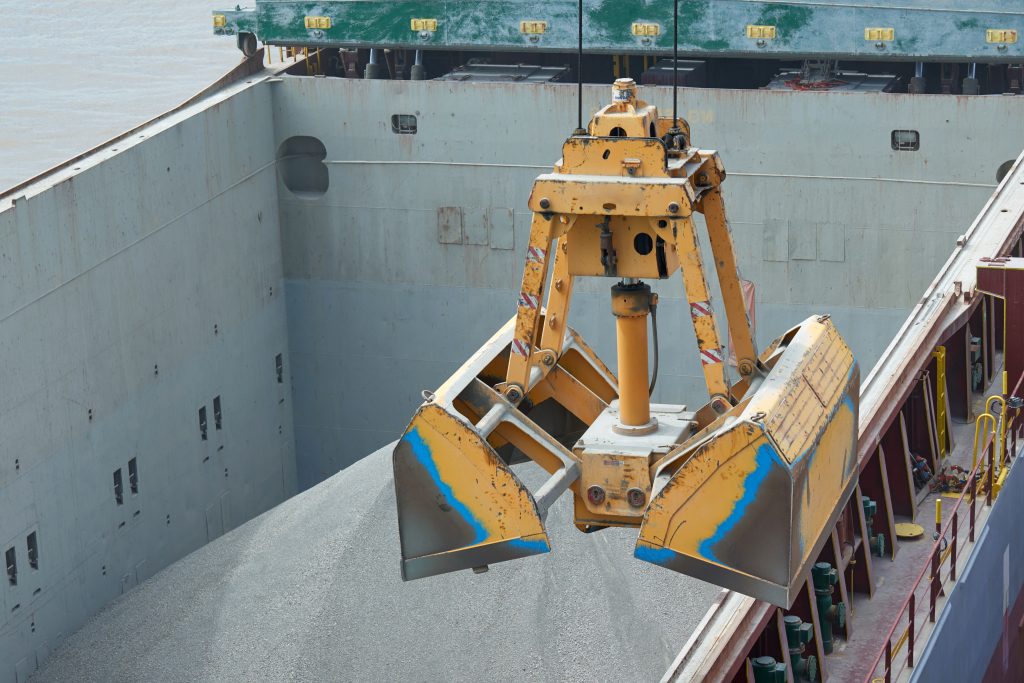
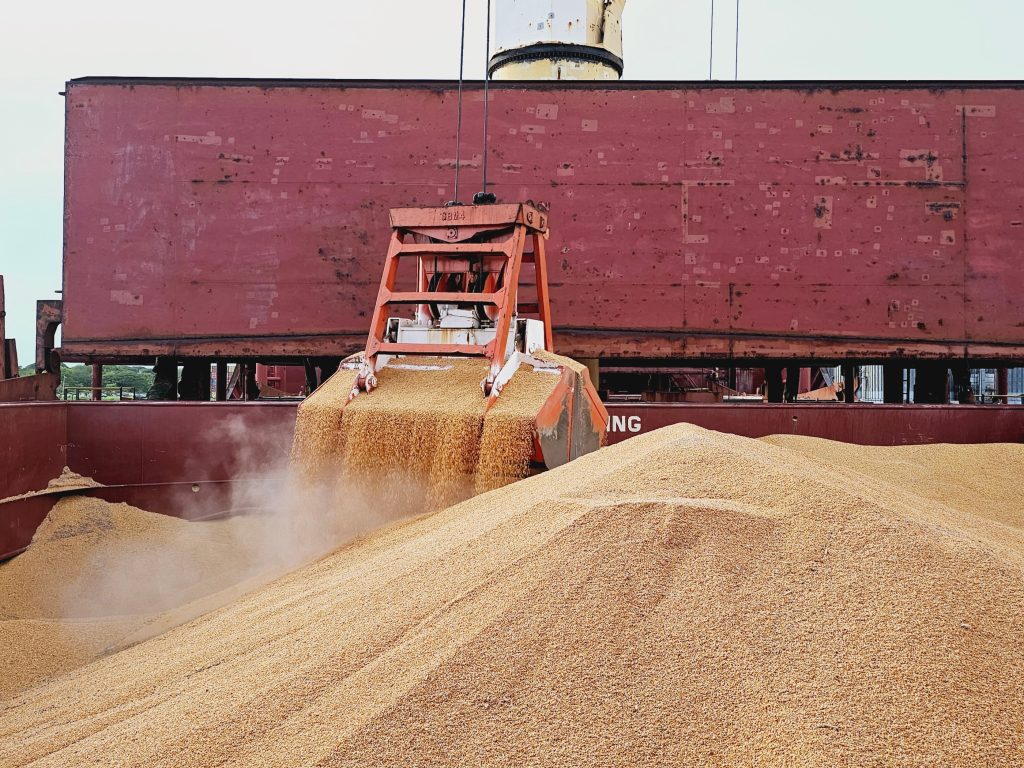
A popular category in ports worldwide, clamshell grabs feature two scooping shells. They are perfect for grains, coal, fertilizers, and other free-flowing dry bulk materials. Clamshell grab maintenance focuses on shell alignment, hinge lubrication, hydraulic hoses, and structural reinforcement.
4. Orange Peel Grabs
Recognized by their multi-tine design, orange peel grabs are used for scrap metal, stones, large debris, and irregular chunks of material. They require regular structural grab repairs, tine reinforcement, arm alignment, and motor servicing.
5. Motor Grabs
Motor grabs feature internally powered motors that enable complete operational flexibility. Their repairs involve motor rewinding, electrical control calibration, and brake system optimization.
Each grab type has different maintenance cycles, but all demand systematic inspection, proactive care, and timely servicing to prevent breakdowns.
Common Issues Found in Marine and Port Grabs
Operating under harsh marine environments, grabs face constant wear and tear. Frequent issues that require urgent marine grab repair services include:
- Hydraulic oil leakage due to worn seals, aging hoses, or faulty fittings
- Cylinder damage caused by corrosion, misalignment, or overloading
- Electrical faults in electro-hydraulic grabs, such as frayed wires, loose connectors, or motor failure
- Cracked grab shells due to fatigue, impact loading, or abrasive cargo
- Pump or motor malfunction, resulting in sluggish or uneven grab movement
- Seized pins and bushings from dust infiltration or lack of lubrication
- Brake system failure, posing high safety risks
- Uneven shell closing, leading to material loss and reduced cycle efficiency
Ignoring these issues often results in expensive breakdowns, extended downtime, and costly emergency repairs.
Why Does Grab Maintenance Matter?
Marine and port operators depend heavily on efficient bulk handling equipment. Grabs are expected to function flawlessly even under extreme mechanical stress, saltwater corrosion, dust exposure, and constant vibration.
Here’s why regular grab maintenance and grab repairs are essential:
1. Ensures Operational Efficiency
A well-maintained grab ensures smooth opening and closing of shells, accurate load control, and consistent performance. Proper pin and bushing lubrication, hydraulic pressure testing, and cylinder honing dramatically reduce operational delays and enhance port crane productivity.
2. Minimizes Downtime
Unexpected breakdowns can stall an entire loading/unloading operation. Emergency repair costs and vessel demurrage fees can skyrocket. Preventive maintenance for grabs helps detect early signs of wear, reducing the need for sudden repairs and keeping port schedules intact.
3. Extends Equipment Life
Replacing a grab is expensive. Routine grab maintenance protects your investment by preventing excessive wear on cylinders, shell plates, hydraulics, structural members, motors, and brake systems. This extends the life of the grab significantly.
4. Enhances Safety
Faulty grabs pose severe risks—dropped loads, uncontrolled movement, and structural failures. By conducting brake system maintenance, hydraulic testing, and shell inspection, operators maintain compliance with international safety standards and protect personnel and assets.
5. Reduces Overall Maintenance Costs
Preventive care is always cheaper than emergency breakdown repair. By addressing small issues early, operators avoid the need for major overhauls, structural rebuilds, or complete equipment replacement.

End-to-End Grab Repair and Maintenance Services
End-to-end service means handling everything—from inspection and diagnostics to hydraulic grab overhaul, structural repairs, electrical troubleshooting, testing, and certification. With access to skilled technicians, advanced equipment, and OEM-compatible spares, this comprehensive method ensures each grab returns to service operating at peak performance.
1. Comprehensive Inspection and Assessment
The repair process begins with a detailed evaluation using:
- Visual inspection for cracks, deformation, and corrosion
- Hydraulic pressure analysis
- Cylinder performance assessment
- Brake system testing
- Electrical diagnostics (for electro-hydraulic grabs)
- NDT (Non-Destructive Testing) of structural areas
Clients receive a comprehensive grab inspection and testing report outlining:
- Identified faults
- Required repairs
- Replacement needs
- Cost estimates
- Timeline projections
This enables accurate budgeting and maintenance planning.
2. Hydraulic System Overhaul
The hydraulic system is the core of any grab. A typical hydraulic grab overhaul includes:
- Replacement of seals, hoses, O-rings, and valves
- Cylinder repair, honing, and rod polishing
- Hydraulic oil flushing and contamination removal
- Pump and motor servicing
- System recalibration
- Pressure and flow testing
Proper hydraulic performance is essential for:
- Smooth shell movement
- Preventing load slippage
- Reducing stress on mechanical components
- Ensuring consistent cycle speeds
3. Structural and Fabrication Works
Grabs frequently experience structural fatigue, cracked shells, dented plates, and worn tines. Expert marine fabrication services ensure structural integrity.
Structural works include:
- Crack welding
- Shell plate replacement
- Reinforcement of weakened areas
- Arm and frame realignment
- Anti-corrosive coating
- Surface preparation and blasting
All repairs follow international welding standards and pass rigorous NDT quality checks.
4. Brake and Control System Maintenance
Brake malfunctions are one of the leading causes of operational hazards in grabs. Maintenance includes:
- Brake lining renewal
- Brake shoe replacement
- Drum and disc inspection
- Control panel calibration
- Electrical troubleshooting
- Motor rewinding (if necessary)
Each control and brake component undergoes functional testing before installation.
5. Component Replacement and Spare Supply
Availability of genuine or OEM-compatible spare parts is crucial for long-lasting repairs. Common spare parts include:
- Hydraulic seal kits
- Grab pins and bushings
- Motors, pumps, relays
- Brake liners
- Electrical components
- Structural plates and reinforcements
Using high-quality parts ensures durability and reduces breakdown frequency.
6. Load Testing and Certification
After repairs, grabs undergo load testing and certification to verify performance under real or simulated conditions. Tests ensure:
- Structural stability
- Correct hydraulic response
- Brake reliability
- Smooth shell closing/opening cycles
- Compliance with marine and port standards
Clients receive a detailed certification report for audit and operational records.
Preventive Maintenance Programs (AMCs)
Many operators choose long-term Annual Maintenance Contracts (AMCs) to ensure trouble-free operations. These contracts deliver predictable servicing schedules and guaranteed uptime.
AMCs typically include:
- Routine inspections every 3–6 months
- Lubrication of pins, bushings, and hinges
- Hydraulic oil sampling and analysis
- Monitoring structural wear over time
- Replacement of seals at regular intervals
- Performance benchmarking reports
With predictive maintenance, operators benefit from:
- Up to 25% cost savings on repairs
- Reduced downtime
- Optimized equipment performance
- Longer grab lifespan
Environmental and Safety Commitment
Modern ports emphasize environmental responsibility. Maintenance teams adopt eco-friendly practices such as:
- Safe disposal of used hydraulic oils
- Recycling of worn components
- ISO and OHSAS-certified workshop practices
- Compliance with port safety regulations
These practices ensure environmental protection and operational safety.
Why Choose Us for Grab Repairs
Our specialized grab repair services stand out due to:
✔ Specialized Expertise
Years of experience in hydraulic systems, electrical troubleshooting, structural repairs, and marine engineering.
✔ Fast Turnaround
Streamlined repair workflows ensure minimum downtime—a critical benefit during vessel operations.
✔ Cost-Effective Solutions
We prioritize repair and refurbishment over replacement, reducing capital expenditure.
✔ Skilled Technicians
Certified welders, hydraulic technicians, and marine engineers ensure top-quality service.
✔ Quality Assurance
Each grab undergoes NDT, hydraulic testing, structural inspection, and certification.
✔ Client-Centric Approach
24/7 support, transparent reporting, and reliable communication set us apart in the industry.
Conclusion: Your Trusted Partner for High-Performance Grab Equipment
In today’s competitive port environment, grabs are not optional—they are essential, mission-critical tools that keep your supply chain running. Ensuring their reliability is vital to operational success. With Ozeantec’s end-to-end grab repairs and maintenance solutions, you gain sustained performance, enhanced safety, and long-term durability.
From emergency breakdown repairs to complete hydraulic grab overhauls and structured maintenance programs, Ozeantec provides the expertise, infrastructure, and dependable support needed to keep operations seamless and efficient.